(Re)Writing (Hi)Stories / Geschichte(n) (um)schreiben
Description
History is not simply there—it is written, (re)constructed, made. But by whom? (And by whom not?) Under what conditions? (And with what consequences?) Are alternatives conceivable? (And how would they differ from traditional forms of historiography?) From these questions, we will begin to rewrite: revisiting and recycling existing (hi)stories, thinking about possible futures, exploring ways of writing beyond the text.
Throughout the seminar, students will experiment with collaborative and speculative writing, as well as with approaches that stretch the boundaries of ‘text’ and ‘authorship’ itself. Writing here is treated less as a genre and more as an extension of artistic and design practice; a place to test ideas, articulate processes, and reflect on one’s work.
Our work will be punctuated by close readings and discussions of selected texts by writers and practitioners such as Roland Barthes, Anne Burdick, Hélène Cixous, Sara Kaaman, and Ursula K. Le Guin. These readings serve as companions, offering varied perspectives on authorship, narrative, and the politics of form. By the end of the seminar, students will have assembled (and designed) a small body of written experiments and reflections, each pointing toward new or alternative ways of making—and unmaking—histories.
Reading
Barthes, Roland: The Death of the Author
Burdick, Anne: What Has Writing Got to Do With Design?
Cixous, Hélène: Poetry Is/and (the) Political
Kaaman, Sara: Once Upon a Time: Bodies, Rooms, Movements, Fictions
K. Le Guin, Ursula: The Carrier Bag Theory of Fiction
Perec, Georges: A Void
Queneau, Raymond: Exercises in Style
Sartwell, Crispin: How Would You Draw History?
Outcome
By the end of the seminar, students will have:
- Developed a clearer sense of how histories are constructed, how they are both consciously fabricated and contingent.
- Practiced experimental and speculative writing methods that can support or expand their studio work.
- Strengthened their ability to articulate their own artistic or (graphic) design practice through written reflection.
- Gained experience reading and discussing theoretical and literary texts in a way that connects them to creative practice.
- Built a small portfolio of written experiments that can feed into future projects, critiques, proposals, and artist/designer statements.
Student Work
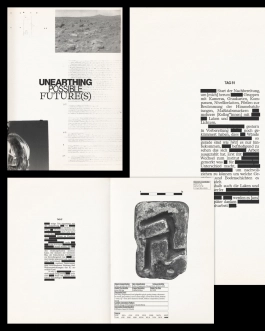
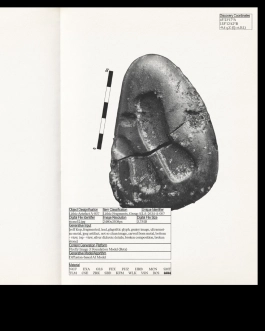
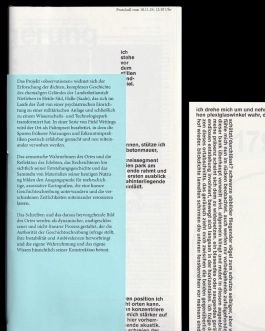
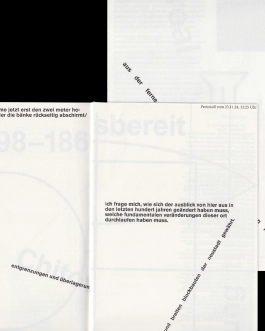
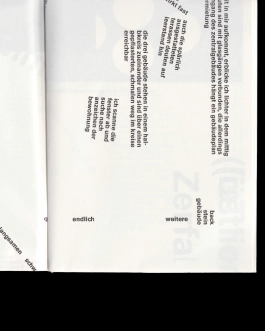
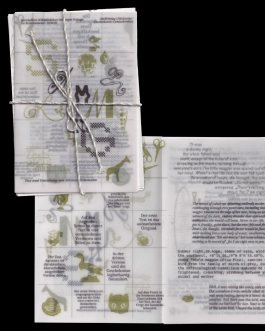
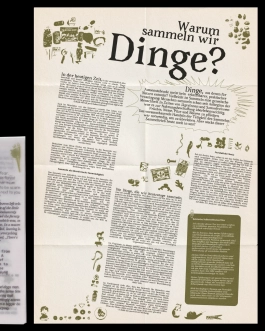
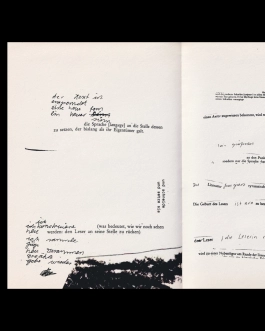
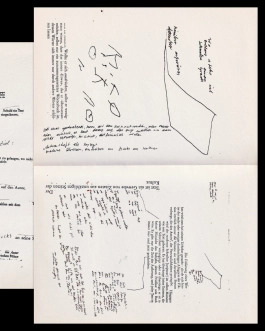
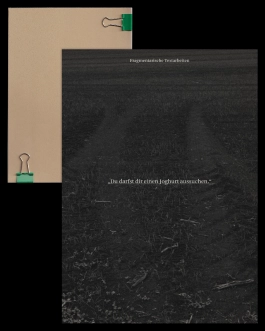
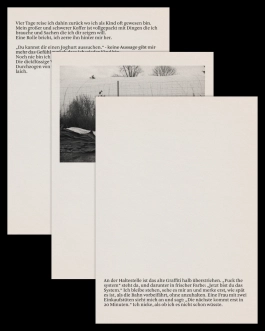
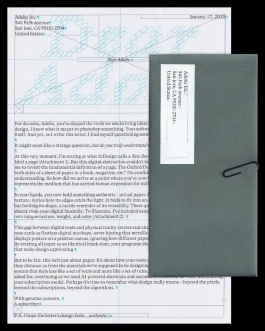
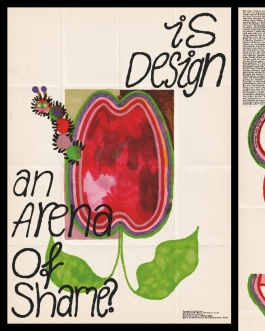
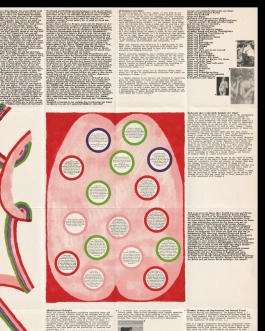
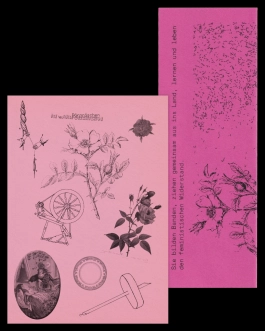
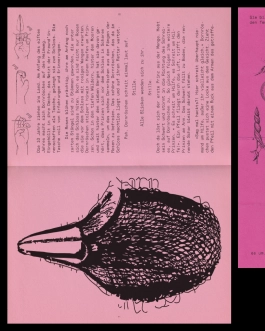
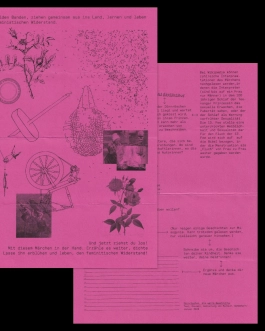
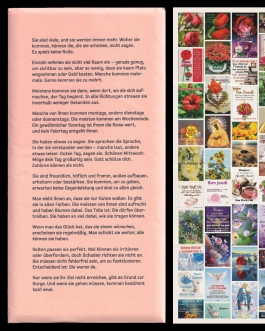
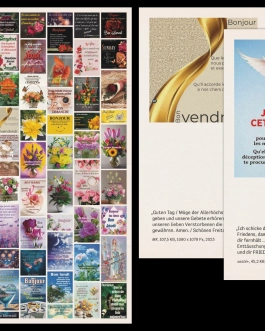
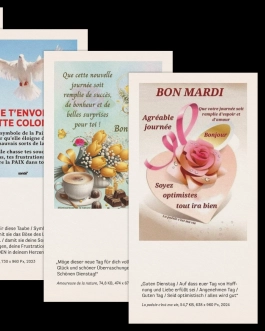
Below is a selection of student work with contributions by BA and MA Communication Design students from Burg Giebichenstein University of Art and Design (Halle). In order of appearance: Elias Charné, Lucas Kramer, Miriam Wiskemann, Lisa Hansemann, Anna Luisa Richter, Christian Gruber, Hannah Krüger, Maite Schönherr, and Johanna Schmücker.
(Re)Writing (Hi)Stories / Geschichte(n) (um)schreiben
History is not simply there—it is written, (re)constructed, made. But by whom? (And by whom not?) Under what conditions? (And with what consequences?) Are alternatives conceivable? (And how would they differ from traditional forms of historiography?) From these questions, we will begin to rewrite: revisiting and recycling existing (hi)stories, thinking about possible futures, exploring ways of writing beyond the text.
Throughout the seminar, students will experiment with collaborative and speculative writing, as well as with approaches that stretch the boundaries of ‘text’ and ‘authorship’ itself. Writing here is treated less as a genre and more as an extension of artistic and design practice; a place to test ideas, articulate processes, and reflect on one’s work.
Our work will be punctuated by close readings and discussions of selected texts by writers and practitioners such as Roland Barthes, Anne Burdick, Hélène Cixous, Sara Kaaman, and Ursula K. Le Guin. These readings serve as companions, offering varied perspectives on authorship, narrative, and the politics of form. By the end of the seminar, students will have assembled (and designed) a small body of written experiments and reflections, each pointing toward new or alternative ways of making—and unmaking—histories.
Reading
Barthes, Roland: The Death of the Author
Burdick, Anne: What Has Writing Got to Do With Design?
Cixous, Hélène: Poetry Is/and (the) Political
Kaaman, Sara: Once Upon a Time: Bodies, Rooms, Movements, Fictions
K. Le Guin, Ursula: The Carrier Bag Theory of Fiction
Perec, Georges: A Void
Queneau, Raymond: Exercises in Style
Sartwell, Crispin: How Would You Draw History?
Outcome
By the end of the seminar, students will have:
- Developed a clearer sense of how histories are constructed, how they are both consciously fabricated and contingent.
- Practiced experimental and speculative writing methods that can support or expand their studio work.
- Strengthened their ability to articulate their own artistic or (graphic) design practice through written reflection.
- Gained experience reading and discussing theoretical and literary texts in a way that connects them to creative practice.
- Built a small portfolio of written experiments that can feed into future projects, critiques, proposals, and artist/designer statements.
Student Work
Below is a selection of student work with contributions by BA and MA Communication Design students from Burg Giebichenstein University of Art and Design (Halle). In order of appearance: Elias Charné, Lucas Kramer, Miriam Wiskemann, Lisa Hansemann, Anna Luisa Richter, Christian Gruber, Hannah Krüger, Maite Schönherr, and Johanna Schmücker.
DesignResearchTeachingArtAboutContact
NewsletterLinktreeDatenschutzImpressum
Hagen Verleger
Oranienstraße 14a
10999 Berlin
Germany